


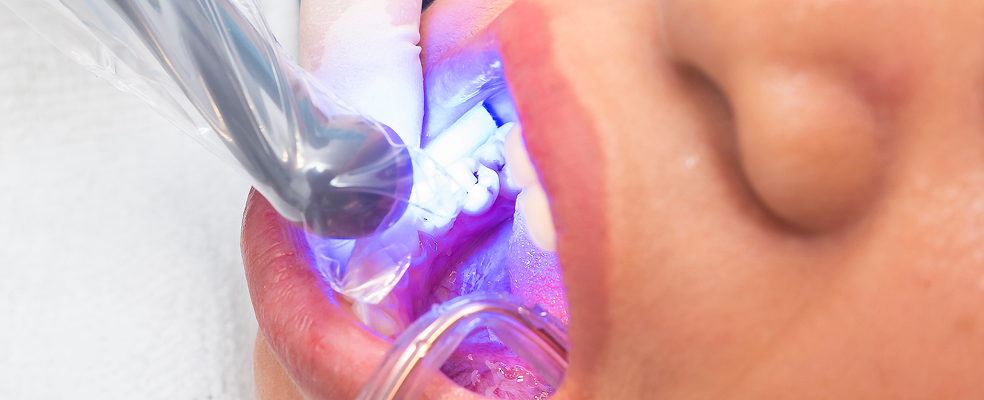
Dental bonding can repair small chips, close minor gaps, reshape uneven teeth, and cover certain types of discoloration. The procedure uses tooth-colored composite resin to improve the appearance of a tooth, often in one appointment.
Because bonding usually requires little or no removal of natural tooth enamel, it’s one of the more minimally invasive options in cosmetic dentistry.
This guide explains what dental bonding can fix, what happens during the procedure, how it compares with veneers and crowns, and how to care for bonded teeth.
What Is Dental Bonding?
Dental bonding, also called tooth bonding or composite bonding, is a cosmetic dental procedure that applies tooth-colored composite resin directly to a tooth.
The dentist chooses a shade that blends with your natural teeth, shapes the resin, and hardens it with a special curing light. The bonded material is then trimmed and polished to create a natural appearance.
Ideal Dental offers tooth-colored bonding and other cosmetic dentistry services, including porcelain veneers, teeth whitening, and smile makeovers.
What Can Dental Bonding Fix?
Dentists commonly use bonding for small, localized cosmetic concerns, including:
- A chipped or cracked tooth
- Small gaps between teeth
- A tooth that looks shorter or is shaped differently than nearby teeth
- Uneven or worn tooth edges
- Discoloration that whitening can’t correct
- Minor imperfections on the surface of a tooth
Bonding may also cover part of an exposed tooth root if gum tissue has receded.
Composite resin is also used for tooth-colored fillings, but that’s a restorative dental treatmentfor tooth decay rather than cosmetic bonding. If a tooth is badly decayed, weakened, or broken, a filling, dental crown, or another treatment may be more appropriate.
Can Bonding Cover Discolored Teeth?
Bonding may cover certain stains or discoloration, especially when it only affects one tooth or a small area.
Possible causes of discoloration include:
- Coffee, tea, red wine, or tobacco
- Aging
- Certain medications
- Tooth decay
- An old injury
- Changes inside the tooth
Professional teeth whitening may work well for many surface stains, but it may not help with discoloration caused by an injury, medication, or changes within the tooth.
A dentist should examine a tooth that has suddenly darkened. Discoloration can sometimes indicate decay, damage, or a problem inside the tooth that needs treatment before cosmetic bonding is considered.
Why Do People Choose Teeth Bonding?
Bonding has several benefits:
- It can often be completed in one visit.
- It usually requires little or no removal of tooth enamel.
- Anesthesia may not be needed for a purely cosmetic repair.
- The composite resin can be matched to nearby teeth.
- It generally costs less than porcelain veneers or crowns.
- The dentist can shape and polish the material directly in the office.
Bonding is best suited to relatively small changes. It may not provide enough strength or coverage for a tooth with major damage, a large fracture, or significant tooth decay.
Your dentist can examine the tooth and explain whether bonding, a veneer, a crown, or another treatment is the safest option.
How Does the Teeth Bonding Procedure Work?
The exact process depends on the tooth and the reason for treatment, but a typical appointment may include:
- Choosing the shade. Your dentist uses a shade guide to select composite resin that closely matches your natural tooth color.
- Preparing the tooth. The surface may be lightly prepared and treated with a conditioning liquid and bonding agent to help the resin attach.
- Applying the resin. The dentist places the composite resin on the tooth and shapes it by hand.
- Hardening the material. A special curing light hardens the resin.
- Finishing the tooth. The dentist trims, smooths, and polishes the bonded area so it blends with the surrounding enamel.
Dental bonding usually doesn’t require lab work or a temporary restoration. The amount of time needed depends on how many teeth are being treated and how much reshaping is required.
Will You Need Anesthesia for Dental Bonding?
Anesthesia usually isn’t needed for dental bonding. Your dentist may recommend local anesthesia if the tooth also needs treatment for decay or damage or if the area is sensitive.
Ask your dentist what to expect before the procedure begins.
Dental Bonding vs. Veneers: What’s the Difference?
Both bonding and veneers can improve chips, gaps, tooth shape, and discoloration, but the treatments work differently.
Dental bonding may make more sense when:
- One or a few teeth need a minor correction
- You want a treatment that can often be completed in one visit
- You want to preserve as much natural enamel as possible
- Cost is an important consideration
Porcelain veneers may make more sense when:
- Several teeth need changes in color, size, or shape
- The discoloration or wear is more extensive
- You want a more stain resistant material than composite resin
- You’re willing to have some enamel removed and undergo a more involved treatment process
Veneers generally cover most of the front surface of a tooth. Bonding is applied and shaped directly on the areas that need correction.
How Is Dental Bonding Different From a Crown?
A dental crown covers the entire visible part of a tooth. It’s generally used when a tooth needs more protection or structural support.
A dentist may recommend a crown rather than bonding when a tooth is:
- Severely cracked or broken
- Weakened by a large filling
- Badly decayed
- Worn down
- Being restored after root canal treatment
Crowns require more tooth preparation than cosmetic bonding. The best choice depends on whether the main goal is improving appearance, repairing minor damage, or restoring the strength of the tooth.
How Long Does Dental Bonding Last?
Dental bonding can last for several years, but longevity depends on factors such as:
- The location of the bonding
- The size of the repaired area
- Your bite and chewing pressure
- Whether you grind or clench your teeth
- Your oral hygiene
- Habits such as chewing ice, pens, or fingernails
- How often you consume coffee, tea, red wine, or tobacco
Composite resin isn’t as stain-resistant as porcelain and may chip or wear over time. Bonding on the edge of a front tooth may be under more pressure from biting than bonding in another area.
Your dentist can check the bonded area during regular dental cleanings and repair or replace it if it gets chipped, rough, stained, or loose.
How Do You Care for Bonded Teeth?
Bonded teeth generally don’t require special cleaning products. Good oral hygiene and a few practical habits can help protect the resin.
- Brush twice a day with fluoride toothpaste
- Floss daily around the bonded tooth
- Keep up with regular exams and dental cleanings
- Avoid chewing ice, pens, fingernails, or other hard objects
- Be careful when biting into hard candy or very firm foods
- Rinse with water after coffee, tea, or red wine
- Wear a nightguard if your dentist recommends one for teeth grinding
- Contact your dentist if the bonding feels rough, loose, sharp, or uncomfortable
Don’t try to smooth, file, or repair bonding yourself.
Is Dental Bonding Right for You?
Dental bonding may be a good option for a small chip, gap, uneven edge, or area of discoloration. It can create a natural-looking improvement while preserving most of the underlying tooth enamel.
However, it may not be the best choice for major damage, severe tooth decay, large changes across several teeth, or problems caused by your bite.
A dentist can examine your teeth, discuss your goals, and compare bonding with veneers, crowns, whitening, or another cosmetic dental procedure.
Find an Ideal Dental location near you to schedule a cosmetic dentistry consultation.
Frequently asked questions
What is dental bonding?
Dental bonding, also called tooth bonding or composite bonding, is a cosmetic dental procedure that applies tooth-colored composite resin directly to a tooth. The dentist selects a shade that blends with your natural teeth, shapes the resin, hardens it with a curing light, then trims and polishes it for a natural appearance.
What can dental bonding fix?
Bonding is commonly used for chipped or cracked teeth, small gaps, uneven or worn edges, discoloration that whitening can't correct, and minor surface imperfections. It may also cover part of an exposed tooth root if gum tissue has receded, though it's not meant for badly decayed or broken teeth.
Can bonding cover discolored teeth?
Bonding may cover certain stains or discoloration, especially when it affects only one tooth or a small area, with causes ranging from coffee and tobacco to aging or medications. However, a dentist should examine a tooth that has suddenly darkened, since this can sometimes indicate decay or damage that needs treatment first.
Why do people choose teeth bonding?
Bonding can often be completed in one visit, usually requires little or no enamel removal, and generally costs less than veneers or crowns. Anesthesia may not be needed for a purely cosmetic repair, though bonding is best suited to relatively small changes rather than major damage.
How does the teeth bonding procedure work?
A typical appointment involves choosing a matching resin shade, lightly preparing the tooth surface, applying and hand-shaping the composite resin, hardening it with a curing light, and then trimming and polishing it to blend with surrounding enamel. It usually doesn't require lab work or a temporary restoration.
Will you need anesthesia for dental bonding?
Anesthesia usually isn't needed for dental bonding. Your dentist may recommend local anesthesia if the tooth also needs treatment for decay or damage, or if the area is sensitive.
What's the difference between dental bonding and veneers?
Bonding may make more sense for one or a few teeth needing minor correction, a one-visit treatment, or preserving natural enamel, while veneers may make more sense when several teeth need more extensive changes and you're willing to have some enamel removed. Veneers generally cover most of the front surface of a tooth, while bonding is applied only to the areas needing correction.
How is dental bonding different from a crown?
A dental crown covers the entire visible part of a tooth and is generally used when a tooth needs more protection or structural support, such as when it's severely cracked, badly decayed, or restored after a root canal. Crowns require more tooth preparation than cosmetic bonding.
How long does dental bonding last?
Dental bonding can last for several years, though longevity depends on factors like the location and size of the repair, bite pressure, teeth grinding, oral hygiene, and habits such as chewing ice or consuming coffee, tea, or red wine. Composite resin isn't as stain-resistant as porcelain and may chip or wear over time.
How do you care for bonded teeth?
Brush twice a day with fluoride toothpaste, floss daily around the bonded tooth, and keep up with regular exams and cleanings. Avoid chewing ice, pens, or fingernails, rinse with water after coffee or red wine, and contact your dentist if the bonding feels rough, loose, or uncomfortable.