


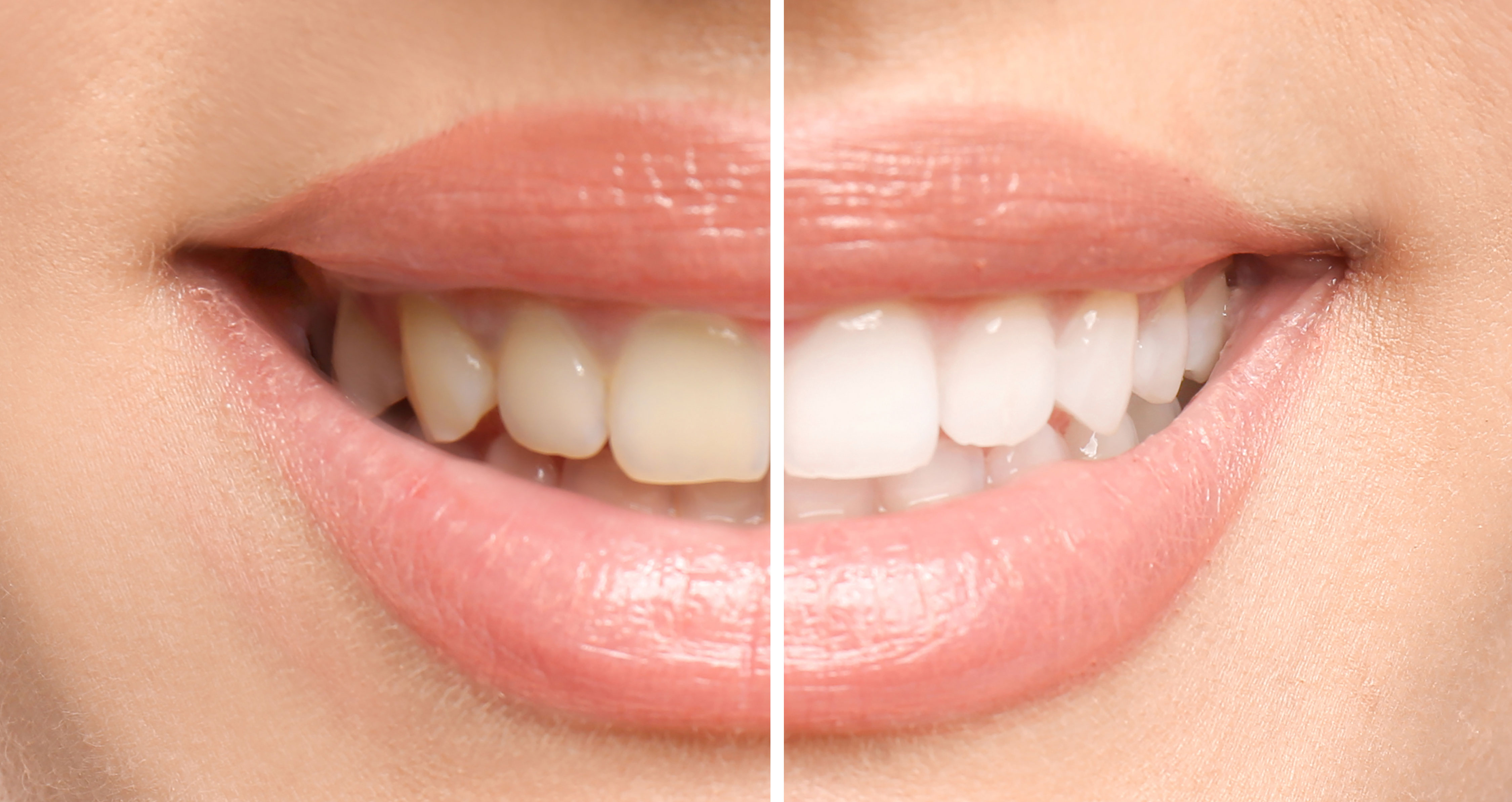
There are four main ways to whiten your teeth: in-office whitening at the dentist, custom take-home trays from your dentist, laser or light-activated whitening, and store-bought products like strips and toothpastes. In-office whitening is the fastest, custom trays balance speed and convenience, and store-bought products are the budget starting point. The right choice depends on what's staining your teeth, how sensitive they are, and how soon you want results.
This guide puts everything in one place: how each option works, how long whitening takes and lasts, whether it's safe, how to prepare, and how to keep your smile bright afterward.
Your teeth whitening options, compared
- In-office whitening: done at the dental office in about an hour. Fastest, most noticeable change in a single visit.
- Custom take-home trays: trays made to fit your teeth, used with professional gel at home over one to two weeks. Gradual, flexible, and reusable for touch-ups.
- Laser or light-activated whitening: an in-office treatment where a light speeds up the whitening gel.
- Store-bought products: strips, pre-filled trays, pens, and whitening toothpaste. Lowest cost, slowest results, and best suited to mild surface stains.
In-office teeth whitening
Your dental team protects your gums, applies a professional-strength whitening gel, and lets it work in timed rounds — sometimes with a light to speed things up. Because the gel is stronger and applied precisely, in-office whitening delivers the biggest change in the shortest time, which is why it's popular before weddings, interviews, and other big events.
Custom take-home trays
Your dentist takes impressions or a scan of your teeth and makes trays that fit your smile exactly. You wear them with professional gel for a set time each day, usually over one to two weeks. The close fit keeps the gel evenly on your teeth and off your gums, and you can keep the trays for touch-ups later. See our guide to teeth whitening trays for how custom trays compare with store-bought ones.
Laser teeth whitening
Laser whitening is a type of in-office treatment that uses a laser or special light to activate the gel. It's fast and dentist-supervised, but it costs more than other options and isn't right for everyone. We break it down in our pros and cons of laser teeth whitening.
Store-bought whitening products
Strips, pre-filled trays, pens, and whitening toothpastes use the same family of active ingredients as professional whitening, but at lower strength. Used consistently, they can lift mild coffee, tea, and wine stains. Their limits are predictable: results are slower, one-size-fits-all products can leave coverage uneven, and gel that reaches your gums can cause irritation. Whitening toothpaste mainly polishes away surface stains rather than changing the shade of the tooth.
What's the best way to whiten your teeth?
It depends on your goal. If you want a dramatic change quickly, in-office whitening is usually the answer. If you'd rather whiten on your own schedule — or your teeth are sensitive — custom trays are a great middle ground. Many people combine the two: in-office for the big change, then trays for touch-ups. If you're only after mild brightening on a budget, store-bought strips are a reasonable place to start.
Before choosing, it helps to know what's causing the discoloration. Surface stains from food, drinks, and tobacco respond well to whitening. Deeper discoloration — from certain medications, an injury, or a tooth with a damaged nerve — may not, and needs to be checked first.
How long does teeth whitening take?
In-office whitening usually takes about an hour, with results the same day. Custom take-home trays typically take one to two weeks of daily wear to reach your target shade. Store-bought strips usually take two to three weeks of consistent use, and results are more modest. Heavier staining or a bigger shade goal can mean extra sessions.
How long do whitening results last?
Most people keep their results for about six months to two years. The biggest factor is what you eat and drink: coffee, tea, red wine, dark sodas, and tobacco re-stain teeth over time. Touch-ups with custom trays once or twice a year are an easy way to keep your shade.
Is teeth whitening safe?
Professionally supervised whitening is a well-established, safe cosmetic treatment when it's done on healthy teeth and gums. The two most common side effects are temporary:
- Tooth sensitivity. Whitening gel can make teeth temporarily sensitive to cold. It usually fades within a day or two.
- Gum irritation. Gel that touches the gums can cause short-term redness or tenderness. A well-fitting tray or professional application keeps gel where it belongs.
Whitening isn't the right first step if you have untreated cavities, gum disease, or exposed roots, so an exam should come before any whitening plan. Overusing products — wearing trays longer than directed or whitening too often — increases sensitivity without improving results.
Whitening with sensitive teeth
Sensitive teeth don't rule out whitening, but they change the approach. A dentist can recommend a lower-strength gel, shorter or spaced-out sessions, and a desensitizing toothpaste for a couple of weeks beforehand. Custom trays are often the most comfortable route because the fit limits gel contact with the gums.
Will whitening work on crowns, veneers, or fillings?
No. Whitening only lightens natural tooth structure. Crowns, veneers, bonding, and tooth-colored fillings keep their original shade, so whitening the teeth around them can make them look darker by comparison. If you have visible dental work on your front teeth, plan to whiten first and match or replace that work afterward.
How to prepare for professional teeth whitening
- Get a checkup. Cavities, gum problems, or worn enamel should be treated before you whiten.
- Have a cleaning. Removing plaque and surface stains first helps the gel work evenly.
- Pick a realistic shade. Your dental team can show you a natural-looking target for your smile.
- Prepare for sensitivity. If your teeth tend to be sensitive, start a desensitizing toothpaste a week or two ahead.
How to keep your teeth white after whitening
- Go easy on coffee, tea, red wine, and dark sodas for the first couple of days, when teeth are most likely to pick up stains.
- Rinse with water after staining drinks, and use a straw for iced drinks.
- Keep brushing twice a day, flossing daily, and getting regular cleanings.
- Avoid tobacco, which stains quickly.
- Plan occasional touch-ups with custom trays.
How much does teeth whitening cost?
Cost depends on the method, the strength of the gel, and how many sessions you need. Whitening is cosmetic, so dental insurance generally doesn't cover it. For typical price ranges and what drives them, see how much professional teeth whitening costs.
Frequently asked questions
What is the best way to whiten your teeth?
It depends on your goal. In-office whitening gives the fastest, most noticeable change in one visit; custom take-home trays whiten gradually on your schedule and are often gentler on sensitive teeth; store-bought strips suit mild stains on a budget. Many people combine in-office whitening with trays for touch-ups.
What's the difference between in-office and at-home teeth whitening?
In-office whitening uses a stronger gel applied by your dental team, with results in about an hour. At-home whitening uses either custom trays with professional gel over one to two weeks or store-bought products, which are weaker and work more slowly.
How long does teeth whitening last?
Most people keep their results for about six months to two years. Coffee, tea, red wine, dark sodas, and tobacco re-stain teeth over time, and occasional touch-ups with custom trays help maintain your shade.
Is teeth whitening safe?
Professionally supervised whitening is safe for healthy teeth and gums. The most common side effects, tooth sensitivity and gum irritation, are temporary and usually fade within a day or two. Cavities or gum disease should be treated first.
Can I whiten my teeth if they're sensitive?
Usually, yes. A dentist can use a lower-strength gel, shorter or spaced-out sessions, and recommend a desensitizing toothpaste beforehand. Custom trays are often the most comfortable option because they keep gel off the gums.
How can I whiten my teeth quickly?
In-office whitening is the fastest option, with a visibly brighter smile in about an hour. Store-bought products and at-home trays take longer, typically one to three weeks.
Does whitening work on crowns or veneers?
No. Whitening only lightens natural teeth. Crowns, veneers, bonding, and tooth-colored fillings keep their original shade, so it's best to whiten first and then match any visible dental work afterward.
Do whitening strips work?
They can lift mild surface stains with consistent use over two to three weeks. They use a weaker gel than professional whitening and a one-size-fits-all fit, so results are slower and can be less even.
Does Ideal Dental offer teeth whitening?
Yes. Ideal Dental offers professional teeth whitening, including in-office whitening and custom take-home trays, at participating locations. Ask at your next visit or book a consultation to find the right option for your smile.
Find the right whitening option for your smile
Not sure where to start? Your dental team can check what's causing the discoloration and recommend the option that fits your goals. Learn more about our cosmetic dentistry, or find your nearest Ideal Dental to book a visit.